1. Executive Summary
TorZon Market operates as a hidden service digital commodity exchange hosted within the Tor network. Functioning strictly via onion routing, the platform is structured to facilitate transactions of global digital goods while inherently masking the geographical metadata of both participants and the hosting infrastructure.
Unlike traditional commerce systems, TorZon relies completely on cryptographic assurances rather than institutional trust. By implementing mandatory PGP (Pretty Good Privacy) communication and decentralized ledger settlements, the platform aims to provide a zero-knowledge environment. Observers note that its primary objective is ensuring structural resilience against network mapping and de-anonymization attacks.
2. Historical Timeline
Initial Synthesis & Alpha Phase
Epoch 1
The infrastructure was first identified by network monitors during its closed alpha testing phase. Initial routing endpoints were highly restricted, utilizing early-generation anti-DDoS proof-of-work mechanics to filter ingress traffic.
Cryptographic Restructuring
Epoch 2
A major platform overhaul introduced mandatory PGP 2FA (Two-Factor Authentication) for all account levels. This phase also marked the transition toward exclusive support for privacy-oriented blockchain ledgers, deprecating legacy transparent chains.
Modern Infrastructure Deployment
Current Epoch
Expansion of the routing system to include dynamic mirror rotation. The implementation of walletless transit modes was finalized, drastically reducing the temporal footprint of digital assets held in localized escrow.
3. Technical Architecture
The operational framework of TorZon Market is designed around minimizing central points of failure. The architecture handles asset transit autonomously via deeply integrated smart contracts and multi-signature frameworks.
- Escrow & Multisig Interventions Transactions require multi-party cryptographic sign-offs. The 2-of-3 multisig structure ensures that funds remain cryptographically locked on the blockchain until at least two parties (the client, the merchant, or the platform arbiter) authorize the release.
- Monero (XMR) Integration The system heavily favors Monero routing natively, capitalizing on Ring Signatures and Stealth Addresses to obscure sender, receiver, and volume data from network observers.
- Walletless Operation Mode To mitigate systemic risk of centralized fund holding, users are not required to maintain on-platform balances. Invoices are generated per-order and monitored dynamically via network sync block confirmations.
torzon7archz5sjjq63xmcn6usud4fhcz7zidpjbuiemtg2wiltv6pyid.onion
5. Community & Statistics
Data compiled through passive network observation and public cryptographic ledgers.
Research Methodology
Our architectural breakdowns are constructed purely through network packet inspection, public PGP key auditing, and historical analysis of onion routing updates. We maintain absolute objectivity in our topological mapping.
4. Platform Interface Preview
Visual documentation of the hidden service's frontend interface. These elements demonstrate the platform's focus on utilitarian design and integrated security checkpoints.

Fig 1. DDoS Protection Screen
Clock-based cryptographic puzzle requirements prior to routing.
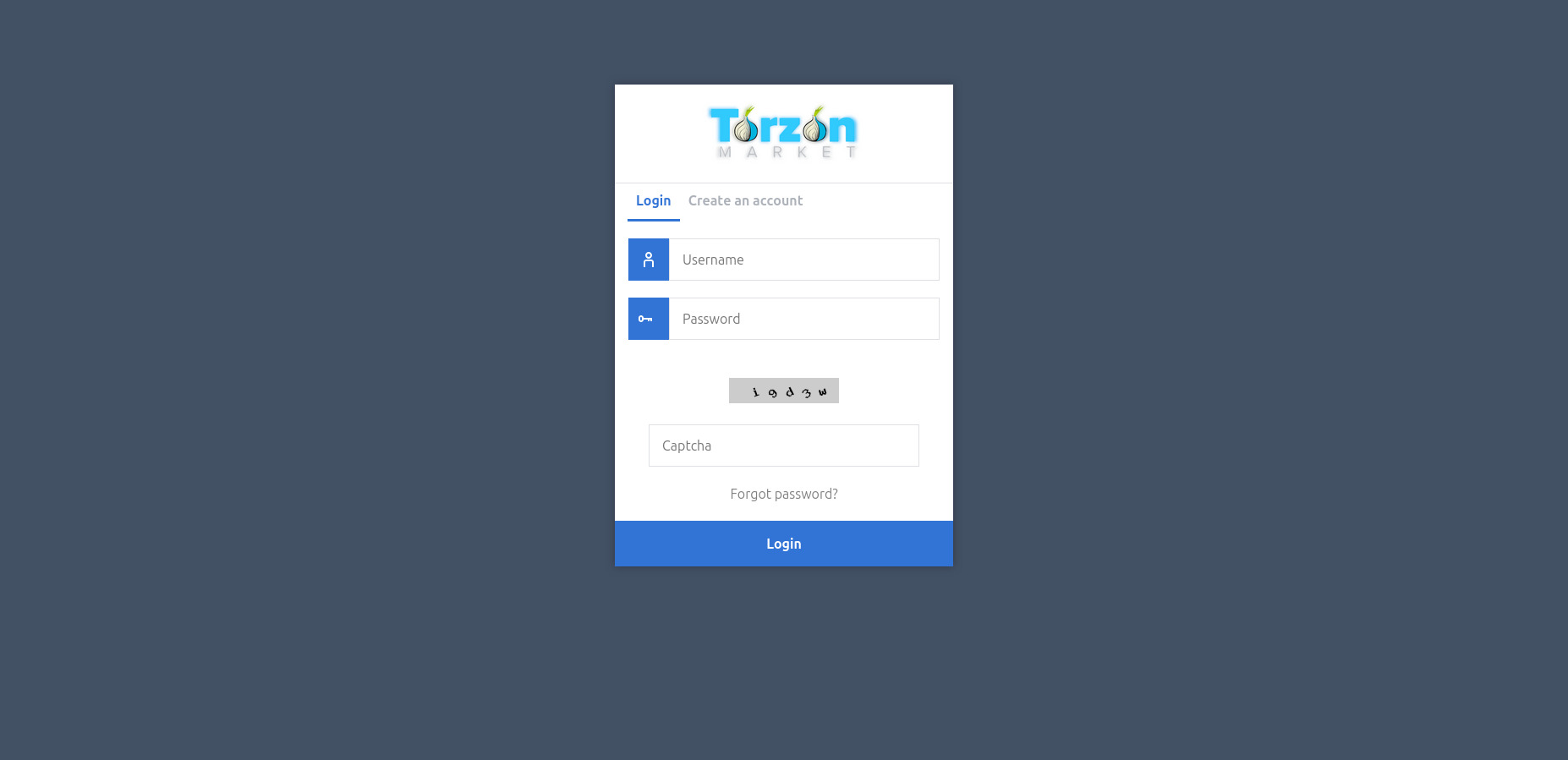
Fig 2. User Login Interface
Identity verification prompt requiring decrypted challenge strings.
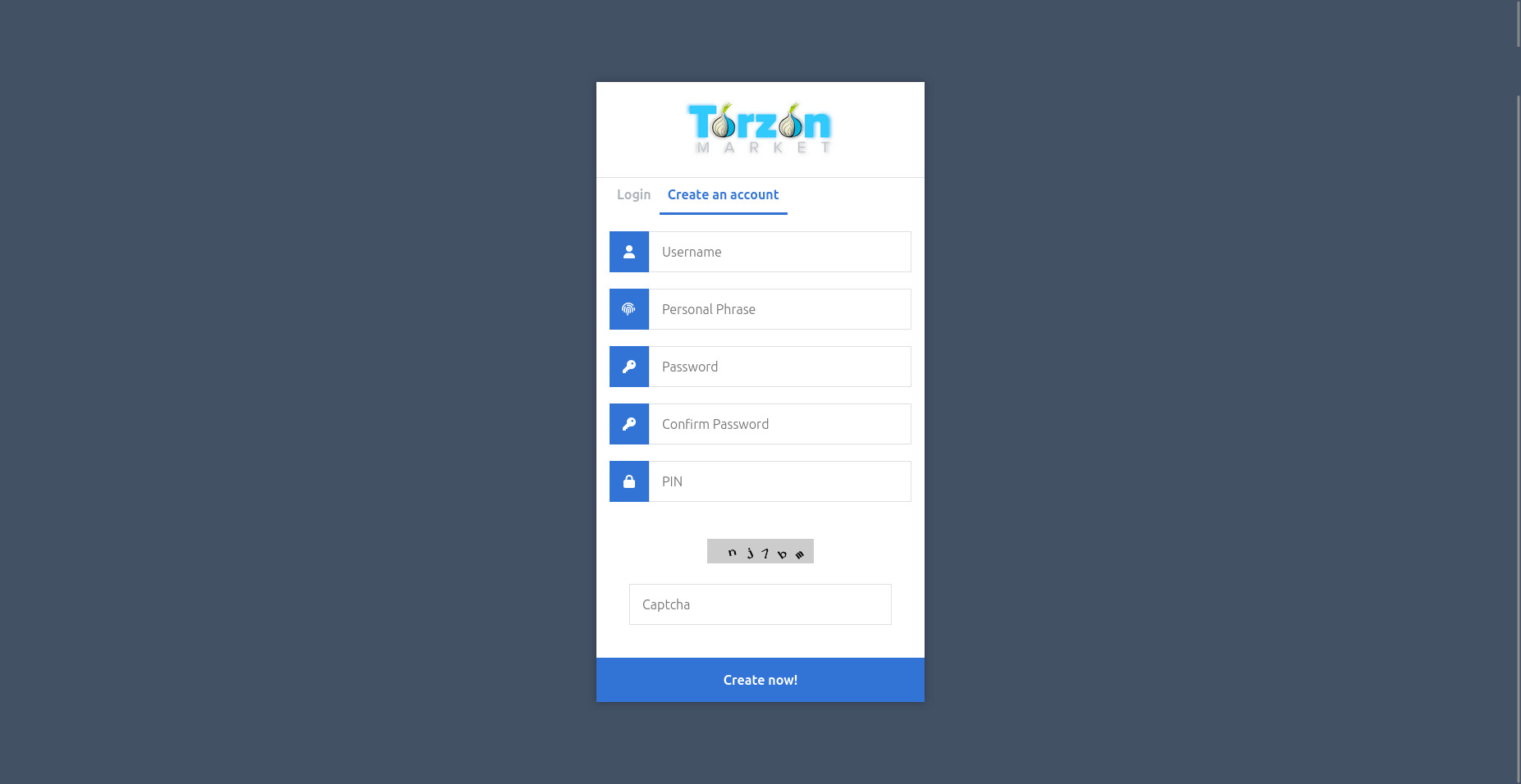
Fig 3. Account Registration Page
Initial public key exchange and mnemonic generation process.
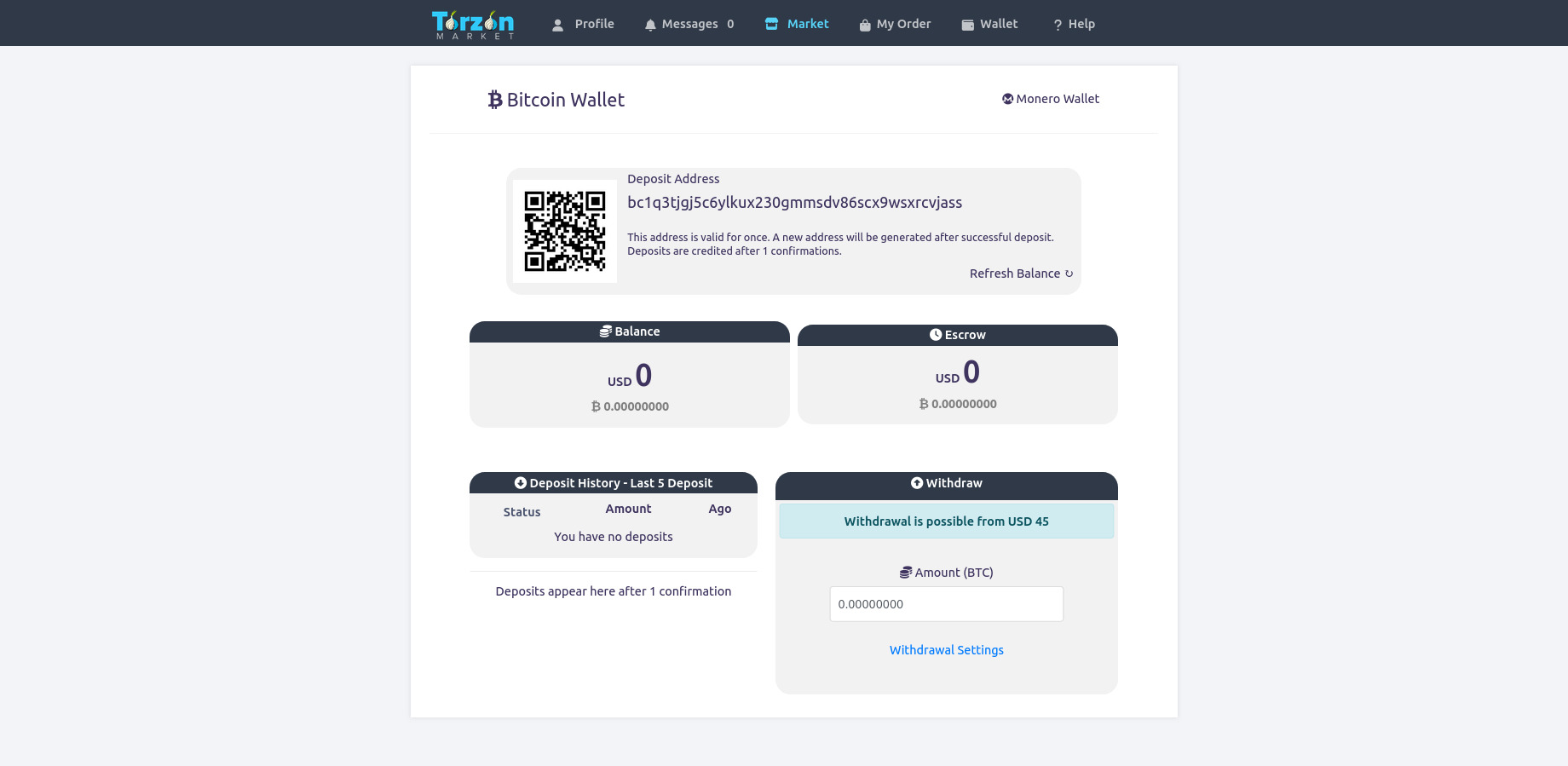
Fig 4. Main Market Dashboard
The primary hub displaying category indices and active metrics.